
The Butts County Arrest Log
The Sheriff's official site names no multi-day arrest feed. There is no county window, update schedule, or archive depth to rely on.
Source status: the Georgia Gazette Butts archive is county-specific and paginated, but unofficial and not guaranteed complete.
How to Read the Butts County Blotter
Begin on the Sheriff's own domain. If no arrest log appears, call Butts County Jail at 770-775-8216. Jot down the full name, booking date, agency, and booking number. Compare several days instead of assuming one fixed cutoff. Then ask Sheriff records custodian Amber Estrada for the official jail record. Check Arrests Last 24 Hours for the same-day question.
What an Arrest-Log Entry Shows
A solid blotter entry can carry plenty of detail. Name, booking date, arresting agency, charges as booked, bond, location, and photo status all may appear. The unofficial archive lists booking dates and reasons for booking. Treat those fields as leads until the Sheriff's custodian confirms them.
Weekend and Holiday Arrests
The Sheriff posts no weekend or holiday arrest schedule. An arrest, its completed processing, and a later web entry can each land on a different date. Wait for the next processing cycle, then call the jail before reading a delay as a no-arrest result. The county-wide guide covers records requests and court follow-through.
Archives and Retention
How far back does the Sheriff's online roster go? That depth is unknown. Georgia Archives schedules keep jail booking records ten years after release, jail registers ten years after the last entry, and incarceration lists one year. Those periods govern agency retention, not web display, so older records begin with the Sheriff or Clerk rather than the State Archives.
Independent Butts Arrest Archive
The Georgia Gazette’s Butts page shows a paginated, county-level secondary archive.
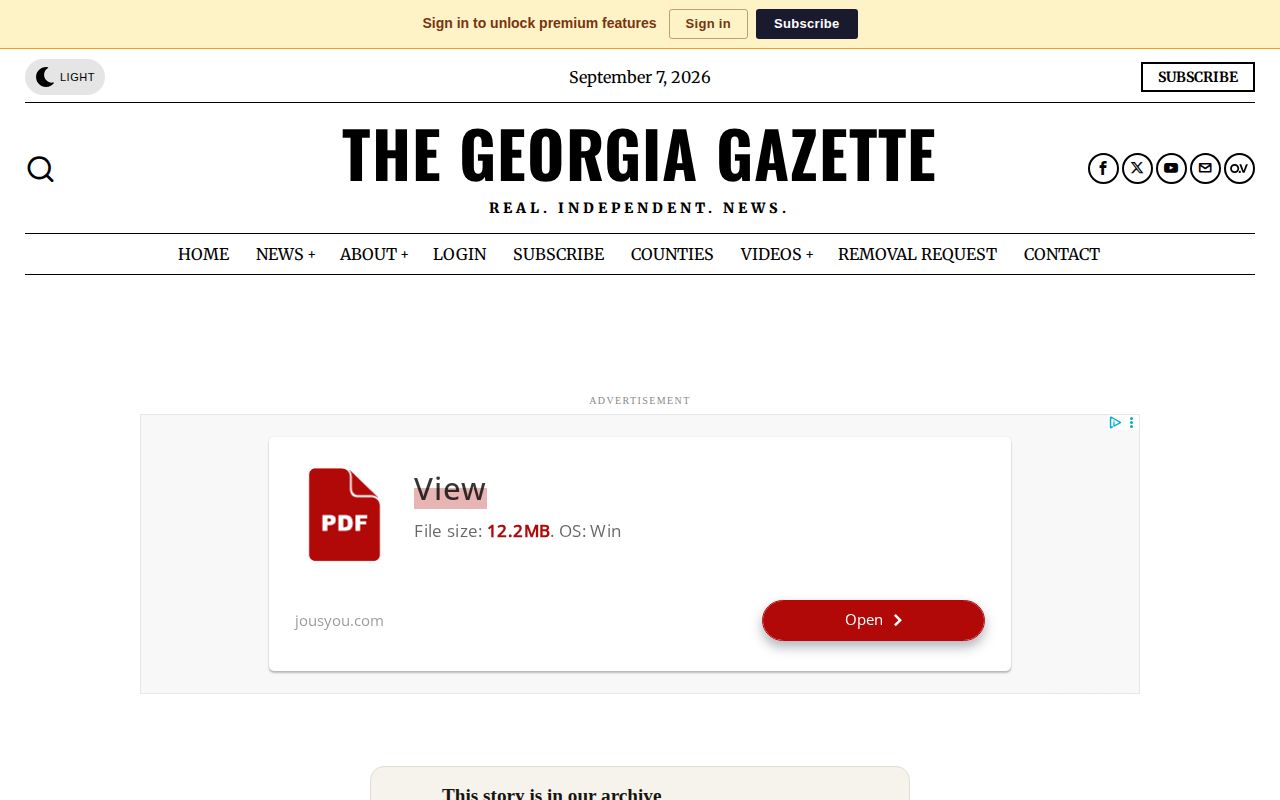
This archive proves only that a page exists. Accuracy, completeness, and current custody are separate questions. Its date depth is the real draw, bridging the gap between a current-custody list and an older records request. Read the displayed booking date, not the article date. Note the stated agency. Then carry the name to both the Sheriff and the Clerk. Interstate 75 complicates the trail further, since a Butts County arrest may start with city police, a state officer, the Sheriff, or a joint task force.
Treat the archive as one thread, never the whole cloth. Official answers still come from the Sheriff and the Clerk.
Reading Arrest Reports Across Days
A multi-day timeline only works when dates are labeled. Say an arrest happens late Friday. Booking may follow Saturday, a publisher entry later still, and a court filing the next business day. None of those dates replaces the others. Track the source, the timestamp type, the agency, and your access date. Some pages carry no "last updated" marker. Two visits do not add up to a daily cadence, so resist that shortcut.
Agency coverage matters as much as date coverage. Jackson Police, the Sheriff, state officers, and task forces can all touch one Butts County event. The jail may hold the booking record while another agency owns the report. A news release often covers one selected operation. A secondary archive may keep entries alive after release. Ask the Sheriff which agency supplied the booking. Then request that agency's incident record to complete the picture.
When entries disagree, lean on booking numbers and case numbers before trusting spelling. Charge wording at intake can differ from the indictment. Bond can move after first appearance. Release has many causes, from bond and transfer to sentence completion or dismissal. Only the court file shows the later procedural result.
For an official dated list, request a defined range. Do not simply ask for "all recent arrests." Ask for the jail booking export or incarceration list, what each timestamp means, and whether released or transferred people appear. Also request the field schema, electronic format, estimated cost, and legal basis for any omissions. Send it to the Sheriff custodian, since the county Commissioners' form excludes Sheriff and court records.
The weekly Jackson Progress-Argus and event-driven GBI or regional reports can explain a notable operation. None is a systematic county roster. A historical story about Interstate 75 enforcement cannot establish current arrest frequency. Treat reporting as context, and confirm person-level details with the arresting agency, the jail, and the court.
Dignity still counts. Never imply that an old entry shows current custody, since a Butts County arrest record ages quickly once a case moves on.
Audit a Multi-Day Arrest Entry
Start with identifiers. Capture the publisher, URL, access date, displayed booking date, arresting agency, and any identifiers attached to the entry. Then compare the jail's own response. If the person has left custody, ask for release or transfer status rather than assuming the archive is wrong. Carry the case number to the Clerk and compare booked charges against what prosecutors filed and how the case resolved.
Depth is not completeness. Pagination proves a publisher keeps old pages, not that it receives every Butts County booking. A weekly paper selects its stories. A live roster may show only current inmates, while an agency release highlights notable operations rather than routine arrests. Weekend gaps happen. They can reflect intake timing, batch publication, staffing, or plain missing data, and without a published county cadence none of it should be asserted as fact.
For a date-range export, define inclusive dates and ask which timestamp controls inclusion. Request field definitions, agency coverage, treatment of released people, photo status, and redactions. That keeps responses comparable across days. It also guards against thin trend claims. Arrest counts require consistent coverage, and a few highway-operation stories cannot establish ordinary county patterns.
If a blotter entry disappears, save the identifiers. The page is not the record. It may still be requestable after the public listing rolls off. Ask why it vanished. Release, archive limits, corrections, restrictions, or routine site maintenance each point somewhere different, so use the court file to learn the actual outcome.
Keep a simple chronology for each candidate record: arrest event, jail intake, publisher date, release or transfer, court filing, and disposition. That step matters. It stops multi-day research from turning repeated updates on one case into several supposed arrests, and it exposes archives that carry only the original charge without the court result. The court side runs through the Clerk's Criminal Division page.
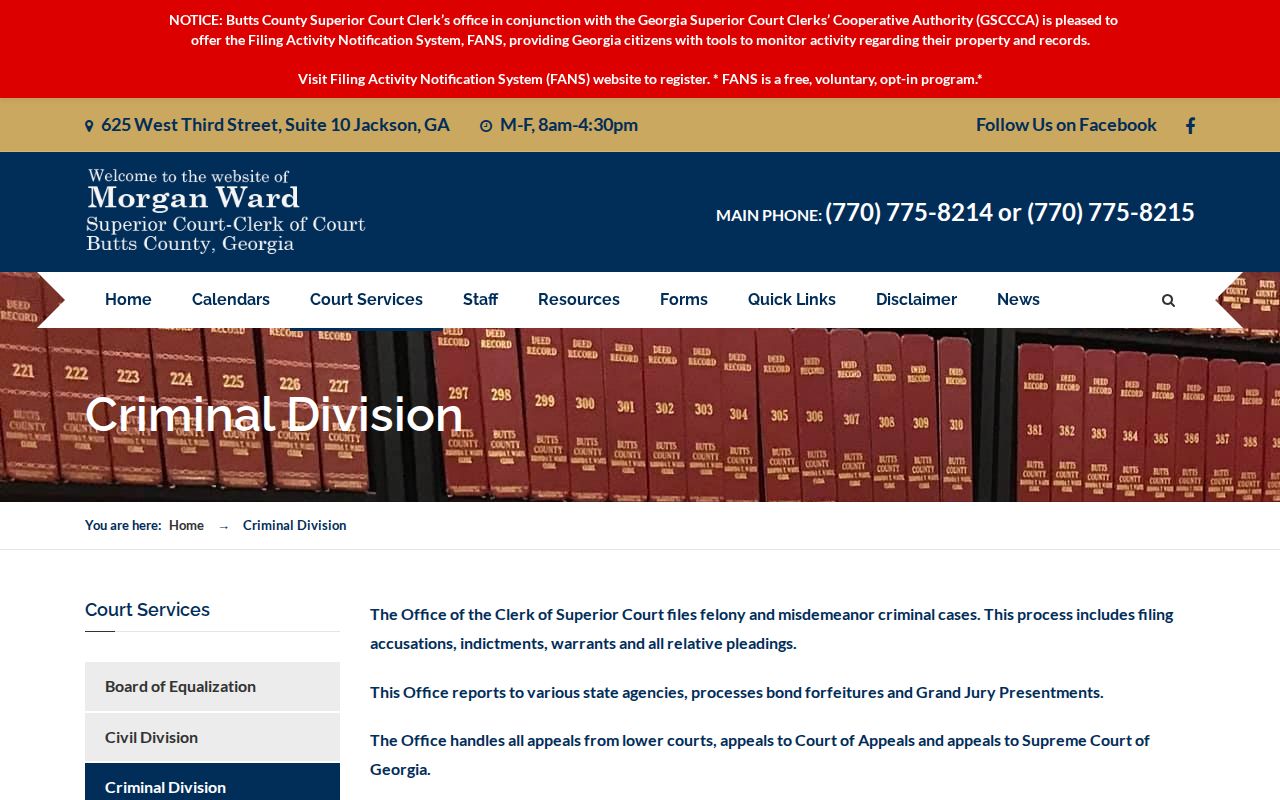
The blotter only starts the timeline. The court record supplies the procedural ending that follows the arrest.